
Housing Data Integration: Why Connecting the Picture Matters
Housing organisations already hold significant amounts of property information. Explore why connecting repairs, inspections, asset data and resident-originated signals can create a clearer picture of what is happening in a home.
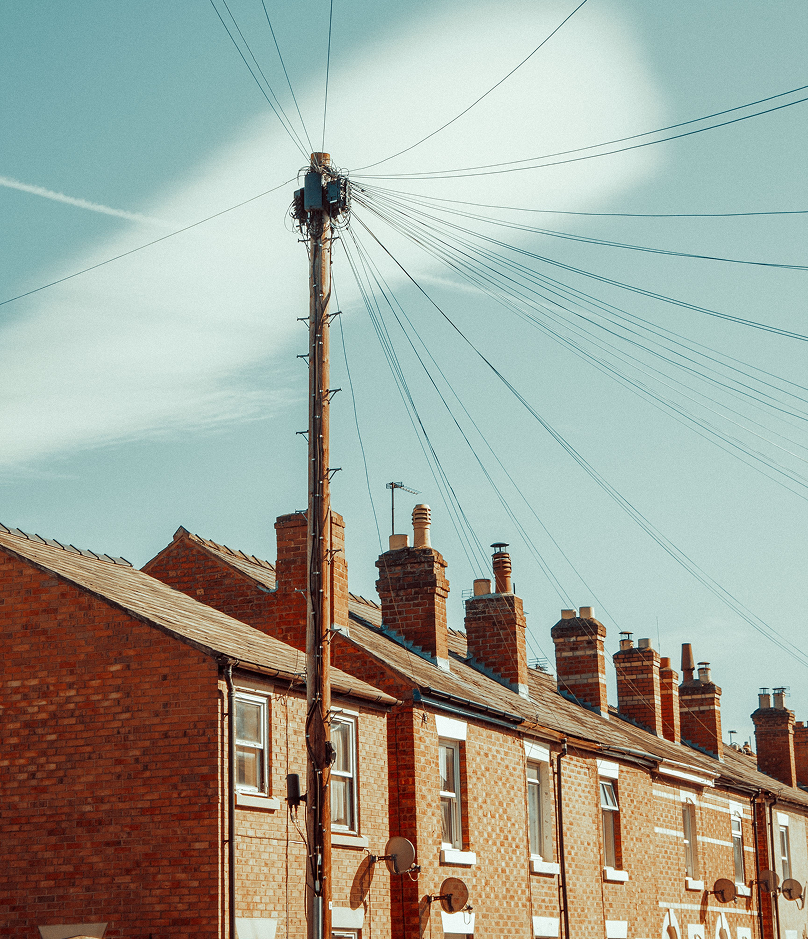
Housing organisations can hold a significant amount of information about the homes they manage. Asset records, repairs, inspections, compliance information, stock condition surveys, contractor visits, resident communications and complaints can all contribute to an understanding of a property.
The challenge is not always collecting another piece of data. It is being able to connect relevant information well enough to understand what is actually happening at an individual home.
A repair may be recorded in one system. An inspection may sit somewhere else. Previous resident communications may form another record, while information about the property itself may be held separately again. Each record can be useful on its own, but sometimes the most valuable insight comes from understanding how those records relate to each other.
That is where housing data integration becomes important, and where resident originated information can add another valuable part of the picture.
Housing providers are already surrounded by data
Social landlords need detailed information about their homes to manage repairs, maintain properties, meet regulatory responsibilities and plan future investment.
The Regulator of Social Housing’s Safety and Quality Standard requires registered providers in England to have an accurate, up-to-date and evidenced understanding of the condition of their homes. It also requires an accurate record of condition at individual property level, based on physical assessment and kept up to date.
That makes good property information much more than an administrative issue. It is fundamental to understanding the homes residents live in.
A single property can generate information across asset and property records, stock condition surveys, repairs and maintenance, inspections, compliance activity, contractor visits and resident communications. Complaints, photographs, damp and mould reports and previous interventions can add further layers of information.
The question is not simply whether that information exists. Can the right information be brought together to create a useful, current picture of the home?
What does fragmented housing data look like?
Imagine a resident reports damp in a bedroom. Viewed as an isolated repair, it may appear to be a new problem.
But there could be other relevant information. A previous resident may have reported damp in the same room. Repairs may already have taken place. The current resident may have photographs showing that the problem has returned. An inspection may have identified a related issue, or there may have been several communications about the same property over time.
None of those records necessarily tells the whole story independently. Together, however, they can provide valuable context.
This is one of the fundamental differences between holding property data and being able to use that information as property intelligence.
Property data records what is known. Property intelligence can help create context around what that information means.
The regulator is already encouraging a more connected picture
This is not simply a technology argument.
The Regulator of Social Housing has highlighted the value of using different sources of information to understand homes. In its 2025 focus report on understanding the condition of tenants’ homes, the regulator identified effective data management as one of the features demonstrated by landlords with stronger knowledge of their homes.
That included integrating stock condition information with repairs data and other property inspections to create a more rounded view of stock condition. The regulator also highlighted the value of using different data sources to supplement stock condition surveys, potentially creating a richer and more up-to-date understanding of homes.
This matters because a property is not static. Its condition changes. Repairs happen, components fail, new hazards emerge and residents report new concerns. An assessment completed at one point in time is valuable, but new information can change the picture.
The resident can be an important source of property intelligence
There is another source of information that should not be overlooked: the person living in the home.
A stock condition survey can tell an organisation what was observed when the property was assessed. A repairs system can show recorded repair activity, while an asset database can hold important information about the property and its components.
Residents, however, experience the home between those individual events. They may notice that a leak has returned, see damp appearing again after previous work, experience repeated heating failures, or have photographs showing how a problem has developed over several months. They may also know that the same concern has already been reported multiple times.
Resident reports do not replace inspections, professional assessments or existing property records. Instead, resident-originated signals can provide another layer of information that helps build context around what is happening at the property.
This is where House Krowd fits
House Krowd is designed to help residents better understand, record and communicate issues affecting their homes.
For a resident, that means being able to create a clearer record of what has happened rather than relying entirely on memory, individual emails or disconnected conversations. A repair record might include photographs, dates, descriptions and previous communications. Over time, those individual pieces of information can create something more useful: a history of what has happened at the home.
This is useful to the resident first. It can help them keep track of what they reported, what happened next and whether a problem changed or returned.
From a wider housing perspective, there is an important opportunity too. With appropriate permissions and safeguards, structured resident-originated information can potentially contribute to a broader understanding of property condition. That creates the possibility of connecting what organisations already know about an asset with what residents are experiencing inside it.
For residents dealing with a current repair, our guide on how to report a repair to your landlord explains how to describe the problem clearly and what information can be useful to record.
Housing data integration is about context, not simply technology
The phrase housing data integration can sound like an IT project. But the underlying idea is much simpler: enabling relevant information to be understood together.
Property records can explain what is known about the asset. Stock condition information can show what was observed during an assessment. Repairs histories show previous reported problems and interventions. Inspection records add professional observations. Resident-originated information can describe what is being experienced now, while communication histories can show what has already been discussed, reported or promised.
Individually, each source has value. Connected appropriately, they can create a much richer picture.
This is also why integration should not be confused with simply putting more information on a dashboard. The purpose is not to create another place to look at data. It is to preserve relationships between relevant information so that the context surrounding a property becomes easier to understand.
Why connecting housing data matters
Better-connected information does not automatically produce better decisions. People, processes, governance and professional judgement still matter. But better context can support them.
A repair viewed independently may appear resolved. When it is understood alongside previous repair activity and resident reports, it may become clear that the same issue has returned several times. Information from different sources can also help build a more current understanding of property condition and highlight homes that may warrant closer investigation.
Connection can improve the resident journey too. When previous contact, appointments and actions are easier to understand, residents should be less likely to have to repeatedly reconstruct the entire history of a problem. Clearer records can also help both residents and organisations understand what happened, when it happened and what action followed.
The value is therefore not simply operational efficiency. It is the ability to make decisions with more of the relevant context available.
Poor information management can have real consequences
The importance of this becomes particularly clear in repairs.
The Housing Ombudsman has reported that in two-thirds of the repair cases it upheld, poor records or information management played a pivotal role in the maladministration. Its work on knowledge and information management has highlighted consequences including delays, missed appointments and resident vulnerabilities being missed.
That demonstrates why information management should not be viewed as a back-office concern. When information does not follow the property, repair or resident journey effectively, the consequences can ultimately be experienced inside somebody’s home.
Awaab’s Law makes good information even more important
Information management is also increasingly relevant to the regulatory environment.
Government guidance for Awaab’s Law says social landlords should keep accurate and up-to-date information about residents and their homes, alongside clear records of engagement, investigations and communications. The guidance also recommends robust knowledge and information-management processes.
Phase 1 of Awaab’s Law already applies to emergency hazards and significant damp and mould hazards in social housing in England. From 30 November 2026, Phase 2 will extend significant-hazard requirements to a wider range of hazards, including excess cold, excess heat, falls, structural collapse, fire and explosions, electrical hazards and domestic hygiene hazards.
As expectations around investigation, action and communication increase, being able to understand the history and current condition of an individual home becomes increasingly important.
Connection does not mean unrestricted data sharing
Connecting information does not mean making everything available to everyone.
Property and resident information can be sensitive, and different organisations, teams and partners may have different legitimate reasons for accessing particular information. Any useful model therefore needs to consider who has permission to access information, the purpose for which it is being used, where it originated, how current it is and the context in which it should be understood.
The goal should not be to create the biggest possible database. It should be to make relevant, reliable and appropriately permissioned information useful.
From fragmented records to a connected property picture
A useful way to think about housing data integration is to place the property at the centre.
Repairs, inspections, asset data, compliance information, resident signals and communications may all describe different aspects of the same home. When those signals remain isolated, somebody has to reconstruct the picture each time. When relevant information can be connected around the property, it becomes possible to build a more persistent understanding of that asset.
That understanding should continue to evolve. A new repair changes the picture. A resident report changes the picture. An inspection changes the picture. Completed work changes the picture.
This is why the opportunity goes beyond static property databases. It is about creating an evolving understanding of an asset.
We explore that broader concept in more detail in What Is Property Intelligence?.
From housing data to property intelligence
At House Krowd, we see resident participation as an important part of that future.
Residents should benefit first from being able to better understand and record what is happening in their own homes. But the information generated through those interactions can also have wider value when it is structured, appropriately permissioned and understood alongside other relevant property information.
Instead of asking only, “What data do we have about this property?”, a more useful question may be: “What do the available signals tell us about what is happening at this property now?”
That change in thinking is significant.
Housing does not necessarily need another disconnected source of data. The bigger opportunity is to make the information that already exists, including information originating with residents, more connected, current and useful.
One home. Multiple signals. A clearer picture.
Sources and further reading
This article draws on the Regulator of Social Housing’s Safety and Quality Standard and its focus report on understanding the condition of tenants’ homes, the Housing Ombudsman’s work on repairs and knowledge and information management, and current government guidance on Awaab’s Law.