
How to Report a Repair to Your Landlord: A Simple Guide
Need to report a repair to your landlord? This simple guide explains how to report housing repairs, what information to provide, what evidence to keep and how to build a clear repair record if problems continue.
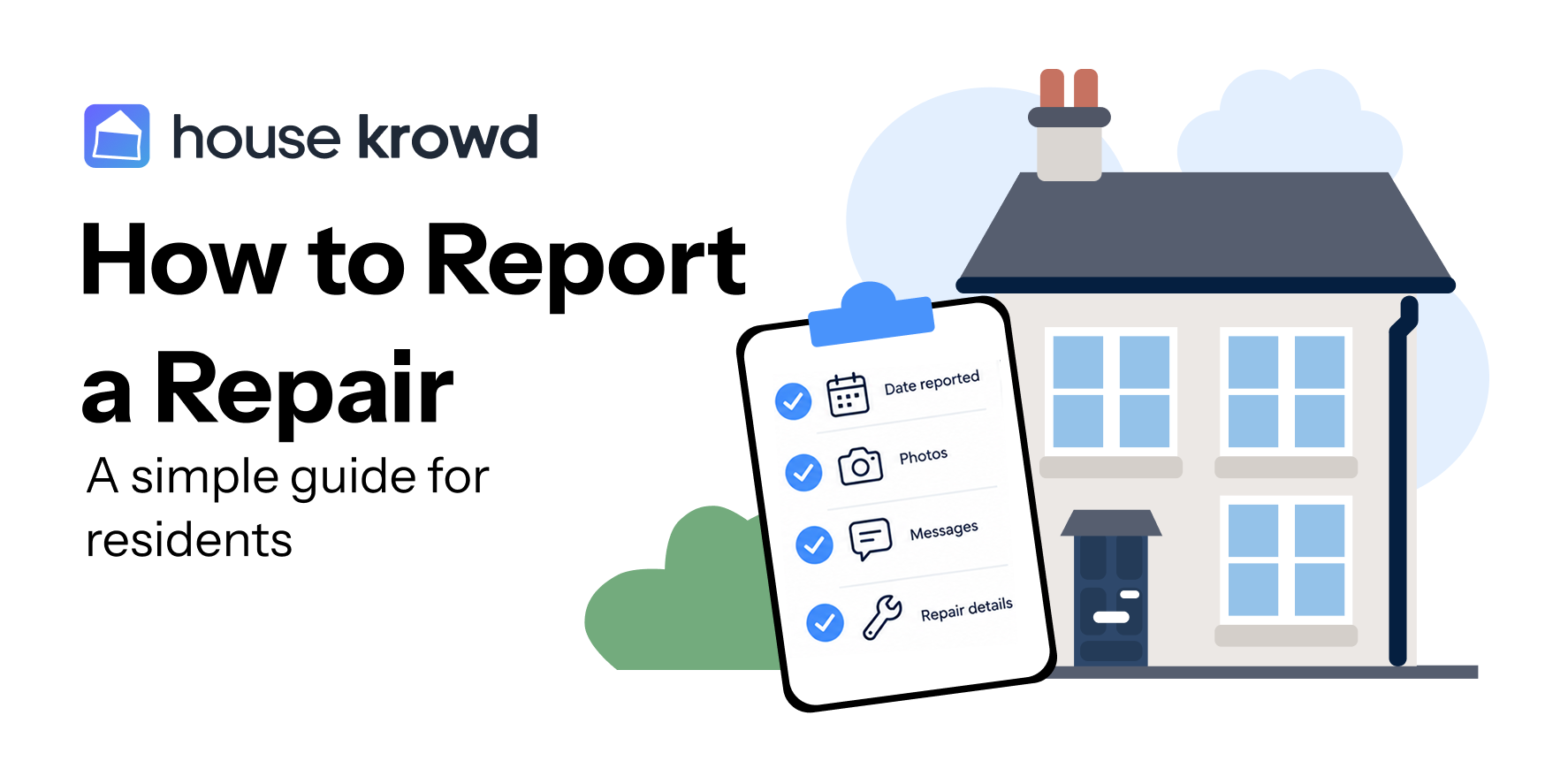
Something has gone wrong in your home.
Maybe you've spotted a leak, your heating isn't working properly, a window won't close or you've noticed damp or mould developing.
What should you do next?
Reporting a repair doesn't need to be complicated, but giving your landlord clear information from the beginning can help them understand what's happening and decide what needs to happen next.
Here's a simple way to do it.
1. Report the problem as soon as you can
If you live in social housing, your landlord should provide a way for you to report repairs and maintenance issues.
Depending on your landlord, this might be through:
- an online resident portal
- a repairs telephone number
- an app
- an emergency repairs service
If you're unsure, check your landlord's website or your tenancy information.
If you believe there is an immediate risk to someone's health or safety, use your landlord's emergency reporting procedure rather than waiting to make a routine repair report.
2. Explain exactly what's happening
Try to be specific when describing the problem.
Instead of:
"There's a problem with my window."
You might say:
"The bedroom window won't close fully and there's now a gap around the bottom of the frame."
Or instead of:
"There's damp in my house."
You could explain:
"A damp patch has appeared on the wall beside the bedroom window. I first noticed it on Monday and it has become larger over the last few days."
You don't need to know what's causing the problem.
You're simply helping your landlord understand what you can see and experience in the home.
3. Take photographs or videos
Where it's safe to do so, photographs and videos can provide useful additional information.
Try to take:
- a wider photograph showing where the problem is in the room
- a closer photograph showing the issue clearly
- additional photographs if the problem changes
If something happens intermittently, such as water coming through during heavy rain, a short video may also help show what's happening.
Keep the original photographs where possible so you have a record of when they were taken.
4. Include information that could help your landlord
Think about what somebody who hasn't seen your home might need to know.
For example:
- Where is it?
- Which room or part of the property is affected?
- When did you notice it?
- Is this the first time you've seen it, or has it happened before?
- Has anything changed?
- Is it spreading, becoming more frequent or affecting another area?
- Has it been repaired before?
- If so, approximately when?
- Is it affecting how you use your home? For example, can you still use the room, heating, water supply or appliance normally?
These details provide useful context without requiring you to diagnose the problem yourself.
5. Keep your repair reference number
If your landlord gives you a repair or job reference number, keep it somewhere safe.
You may need it if you:
- contact the landlord again
- need to check an appointment
- want an update
- need to explain that the same problem has returned
A simple note on your phone containing the date, problem and repair reference can be enough.
6. Keep a record of what happens next
Once you've reported the repair, keep a basic timeline.
For example:
7 September: reported leaking kitchen pipe online.
8 September: received repair reference.
10 September: contractor attended and repaired pipe.
22 September: water appeared underneath the sink again.
That sort of timeline can become particularly useful if a repair takes several visits or the same problem keeps returning.
You can also keep relevant emails, messages, appointment confirmations and photographs together.
7. If the problem changes, update the record
A repair issue isn't necessarily static.
A small leak can become larger.
Damp can appear in another area.
A heating problem can become more frequent.
If something changes while you're waiting for a repair, take another photograph and update your landlord where appropriate.
Today's information may be different from the information you originally reported.
What if the same repair keeps coming back?
Report it again.
And when you do, explain that the problem has happened before.
Previous repair dates, photographs and reference numbers can help show the history.
For example:
"The leak has returned in the same place. It was previously repaired on 12 August. It stopped afterwards but started leaking again yesterday. I've attached new photographs."
This gives your landlord more context than simply submitting another isolated repair request.
It can also help identify recurring problems that may need further investigation.
If you're dealing with the same issue repeatedly, read our guide to what to do when a housing repair keeps coming back.
Why keeping a repair history matters
Your landlord will have information about your property.
But you have another important source of information:
Your everyday experience of living in the home.
You may notice when something changes.
You know when a problem first appeared.
You can see whether a previous repair worked.
And you can notice when something starts happening again.
Keeping those observations together creates a clearer picture of the home's condition over time.
That's useful for you and potentially useful for your landlord too.
Frequently asked questions
How do I report a repair to my social housing landlord?
Use the repair reporting method provided by your council or housing association. This may be an online portal, telephone number, email or app. Emergency problems may have a separate reporting route.
What information should I give my landlord?
Explain what the problem is, where it is, when you noticed it and whether it has happened before. Photographs or videos can also provide useful context.
Should I take photos of a housing repair?
Where it's safe to do so, photographs can help show the condition of the problem when you reported it. Taking further photographs if something changes can also help build a useful record.
Should I keep my repair reference number?
Yes. Keeping the reference number can make it easier to follow up on a repair and connect future communications with the original report.
What if my repair hasn't been completed?
Keep a record of the original report and any subsequent communication with your landlord. If you need to follow up, having the date and repair reference number available will make it easier to identify the repair.
What if the problem comes back after it has been repaired?
Report the new occurrence and explain that the issue has happened before. Include previous repair information and new photographs where possible so your landlord can see the history.
Know Your Home with House Krowd
A repair report can tell you what's happening today.
A property record can help show what's been happening over time.
House Krowd helps residents record issues, organise information about their home and build a clearer digital property history.
Because when residents can capture what they're experiencing, and that information can become a useful signal, it can help create better understanding between residents and the organisations looking after their homes.
Keep the record. Know your home.