
Why Does Your Home Use More Energy Than You Expect?
Two similar homes can use very different amounts of energy. Find out how insulation, heating, household use, weather and other property factors can affect your home's energy consumption.
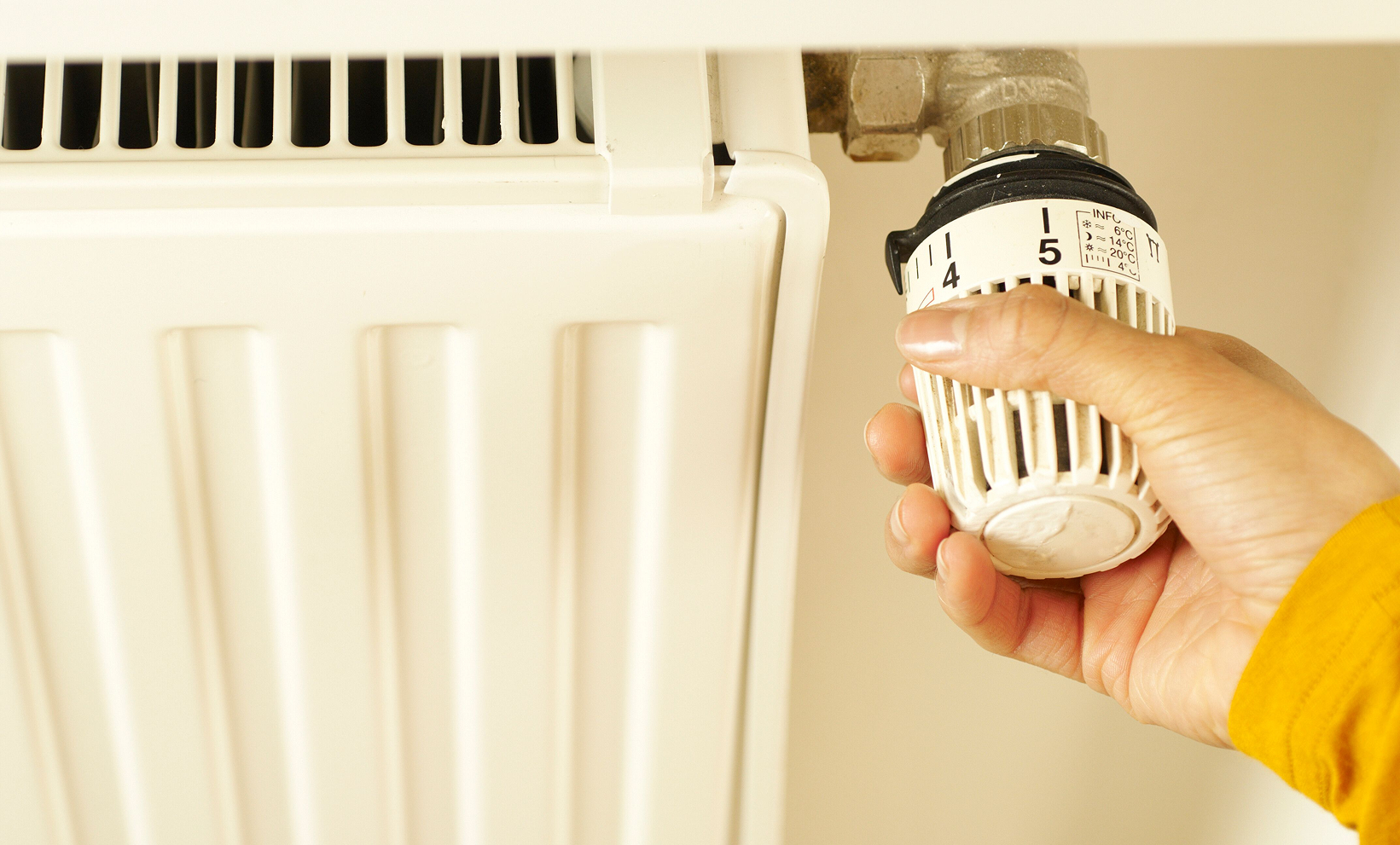
Two homes can look very similar and still use very different amounts of energy.
The reason is that your energy use is influenced by more than the size of your home or the letter on its Energy Performance Certificate (EPC). The way the property is built, insulated and heated matters, but so do the people living there, the weather and how the home is used day to day.
Understanding those differences can help you make more sense of what is happening in your own home.
Your home and your energy bill are not the same thing
It helps to separate energy use from energy cost.
Energy use is the amount of gas or electricity your household consumes, usually measured in kilowatt-hours (kWh). Energy cost is what you pay for that energy, which is also affected by your tariff, unit rates and standing charges.
This means your bill can increase even if the amount of energy you use stays similar. Equally, two households paying similar energy prices can have very different bills because one home uses more energy than the other.
Why can similar homes use different amounts of energy?
A home's energy use is the result of several factors working together. Even neighbouring properties built at the same time can behave differently if their insulation, heating systems, condition or household use are different.
The size and layout of your home
Larger homes generally have more space to heat, but floor area is not the only factor.
Ceiling height, the number of external walls, extensions, conservatories and the way rooms are arranged can all affect how heat moves through a property and how much energy is needed to keep it comfortable.
Insulation and heat loss
Insulation helps slow down the movement of heat out of a home.
The level of insulation in the roof, walls and floors can therefore affect how much heating a property needs. Windows, doors and draughts can also influence heat loss.
Two similar-looking homes may have had very different improvements carried out over the years, so their energy performance may no longer be the same.
Your heating system
The type, age, condition and controls of a heating system can affect how efficiently a home is heated.
A property might use a gas boiler, electric heating, heat pump or another system. Heating controls, thermostats and the way different rooms are heated also affect consumption.
If a heating system is not working as expected, that can make it harder to understand changes in energy use. Keeping a record of what has changed can be useful when investigating the cause.
How you heat your home
The property itself is only part of the picture.
The temperature you choose, how many hours the heating is on and which rooms you heat can all affect consumption. Two households living in identical properties could therefore use very different amounts of energy.
This does not automatically mean one household is using energy incorrectly. Different households have different needs.
The number of people living in the home
Occupancy can make a significant difference to actual energy consumption.
More people may mean more hot water, cooking, washing, appliance use and time spent at home. Working from home, school routines and other changes in how a property is occupied can also alter its energy use.
Hot water
Heating rooms is only one use of energy in a home. Energy is also needed for hot water.
The amount used for showers, baths, washing and other everyday activities varies considerably between households. The way hot water is produced and stored can matter too.
Appliances and electrical equipment
The number and type of appliances in a home can affect electricity consumption.
Large appliances, cooking equipment, computers, televisions and other electrical devices all contribute to actual household use. Older or inefficient appliances may also use more electricity than newer alternatives.
This is one reason your real energy use should not be treated as exactly the same thing as an EPC estimate.
Weather and location
Energy use can change from year to year simply because the weather changes.
A colder winter may require more heating. The position of a property, exposure to wind and other local factors can also influence how quickly a home loses or gains heat.
When comparing bills, it is therefore useful to compare similar periods rather than assuming every month or year should look the same.
Your energy tariff affects cost, not just the property
If your bill has increased, the property itself may not be the only explanation.
Changes to unit rates, standing charges or your tariff can change what you pay even when your consumption has not changed significantly.
Looking at the kWh used as well as the amount charged in pounds can help separate changes in consumption from changes in price.
What can your EPC tell you about energy use?
An EPC provides useful information about the energy efficiency of a property, including its rating and information about features such as heating and insulation.
However, an EPC uses standardised assumptions so properties can be compared consistently. It is not a prediction of exactly what your household will pay for energy.
Your actual consumption reflects what happens in the home in practice, including occupancy, heating patterns, weather and electrical appliance use.
Our guide to what your EPC can tell you about your home explains the information in more detail.
How can you work out what is happening in your own home?
If your energy use seems higher than expected, start with the information you already have.
Look at recent and previous bills and compare the amount of gas or electricity used in kWh, not only the amount charged. Check whether the readings are actual meter readings or estimates where that information is available.
Think about what has changed during the same period. Has the weather been colder? Has someone started spending more time at home? Has your heating pattern changed? Have you added appliances, changed your heating system or noticed a problem with the property?
Your EPC can provide another useful piece of the picture by showing recorded information about the property's energy efficiency and features.
Keeping this information together makes it easier to understand patterns over time rather than relying on a single bill.
What if your energy bill has suddenly increased?
A sudden increase is worth investigating rather than assuming there is one explanation.
Check your consumption, meter readings, tariff and recent changes in the home. If the increase appears unusual, contact your energy supplier and ask them to explain the bill or readings.
Our Energy Costs guide explains what information and evidence can be useful when energy costs rise unexpectedly.
What if energy costs are becoming difficult to afford?
Understanding why a home uses energy is useful, but sometimes the immediate problem is affordability.
If household bills are becoming difficult to manage or payments have already been missed, our guide to what to do if you're struggling to pay household bills explains where to start and where to find free support.
You can also look at the wider picture using our guide to how much your home really costs to run.
A clearer picture of your home can help
No single figure tells you everything about how a home performs.
An EPC provides one type of information. Your meter readings and bills show another. The heating system, insulation, property condition and the way the home is actually used add further context.
Looking at those pieces together can give you a much clearer understanding of why your home's energy use may be different from what you expected.
Why is my energy bill higher than expected?
A higher bill can be caused by increased energy consumption, changes in energy prices or a combination of both. Compare the kWh used as well as the amount charged, and check for changes in weather, occupancy, heating patterns, appliances, meter readings and your tariff.
Can two similar homes have different energy bills?
Yes. Even similar properties can have different insulation, heating systems, improvements, occupancy patterns and household energy use. The residents may also be on different energy tariffs.
Does an EPC show how much energy I will actually use?
Not exactly. An EPC uses standardised assumptions to assess a property's energy performance and allow comparison between properties. Actual household energy consumption also depends on factors such as occupancy, heating behaviour, weather, hot water and appliance use.
Should I compare energy bills in pounds or kWh?
Both can be useful, but kWh is particularly helpful when you are trying to understand whether your actual energy consumption has changed. The amount charged in pounds is also affected by energy prices, tariff rates and standing charges.