
What Can Your EPC Tell You About Your Home?
Your EPC can tell you more than just your home's A to G energy rating. Learn how to read its information on energy efficiency, heating, insulation, potential improvements and what it cannot tell you.
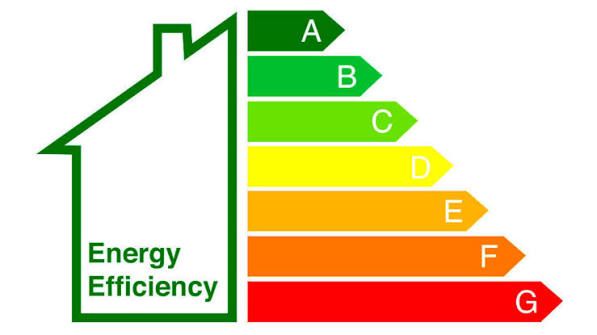
An Energy Performance Certificate (EPC) is easy to overlook. You might notice the letter rating when you move into a home and never look at the certificate again.
But the certificate contains much more than a single letter. If you already know the basics of what an EPC is, this guide takes the next step: how to read the information on your home's certificate, what it can help you understand and where its limitations begin.
An EPC contains useful information about how a property is expected to perform, including its energy efficiency, some of its key features and improvements that could make it more efficient. It does not, however, provide a live picture of the home's current condition or everything that may have changed since the assessment.
What does your EPC rating mean?
Homes are given an energy efficiency rating from A to G, with A being the most energy efficient and G the least.
For homes in England and Wales, an EPC is generally required when a property is built, sold or rented. A certificate is normally valid for 10 years, although a newer certificate can be produced during that period.
The A to G rating gives you a quick way to understand the property's estimated energy performance. A higher rating generally indicates a more energy-efficient property, while a lower rating suggests there may be more scope for improvement.
Your certificate can also show a potential rating based on recommended energy-efficiency measures. The letter is useful for comparison, but it is worth looking beyond it to understand what sits behind the rating.
What information can you find on your EPC?
Depending on the certificate, you may find information about parts of the home such as its walls, roof, windows, heating, hot water and lighting, together with an assessment of their energy performance.
The EPC can also include estimated energy use or costs and recommendations for improving the property's energy efficiency. These might relate to areas such as insulation, heating or other energy-saving measures.
Recommendations are not the same as a list of repairs that must be carried out. They are intended to show ways the property's energy performance could potentially be improved.
What can an EPC tell you about heating and insulation?
The certificate can give you useful clues about how the property is heated and some of the insulation or construction information recorded during the assessment.
For example, it may describe the main heating system, hot water arrangements, windows and the insulation associated with parts of the property.
This can help you build a better understanding of the home, particularly if you have only recently moved in or have never looked closely at its energy information before.
However, an EPC should not be treated as a detailed condition survey. If a boiler later develops a fault, insulation is damaged or another part of the home changes after the assessment, an older EPC may not reflect that current situation.
Can an EPC tell you what your energy bills will be?
Not exactly.
An EPC uses standardised assumptions to assess the property, which makes it useful for comparing homes. Your actual energy use depends on many other factors, including how many people live in the home, how you heat it, the temperatures you choose, your routines and energy prices.
So the figures on an EPC should be treated as estimates rather than a prediction of your household's actual bill.
If you want to understand the difference between an EPC estimate and day-to-day household costs, our guide to energy costs looks at home energy in more detail.
What does the potential EPC rating mean?
Your certificate may show both a current rating and a potential rating.
The potential rating indicates how the property's energy performance could improve if the recommended measures were carried out. This can help highlight where there may be opportunities to improve the home.
Not every recommendation will be suitable for every household or property, and residents who rent their home may need to speak to their landlord before making changes to the building or its systems.
What can't an EPC tell you about your home?
An EPC is useful, but it is only one part of the picture.
It does not provide a complete live record of the property's condition. It cannot tell you about every repair that has happened since the assessment, a new issue that appeared last week, how a room feels during particularly hot or cold weather, or the experience of the people currently living there.
This is why information about a home becomes more useful when different pieces of the picture can be understood together.
A certificate might tell you about the property's expected energy performance. Repair history, property condition and information from the resident can provide additional context about what is happening now.
How can you find your home's EPC?
If your home is in England, Wales or Northern Ireland, you can find an existing energy certificate on GOV.UK using details such as the postcode, street name and town. Scotland has a separate service.
If a certificate exists, check the date as well as the rating. EPCs are normally valid for 10 years, so the information may have been recorded several years ago. If a newer EPC has been produced for the same property, the newer certificate replaces the older one for validity purposes.
Why understanding your home matters
Homes are made up of much more than an address and a single rating.
Energy information, repairs, heating systems, property features, condition and resident experience can all tell us something different about the same property.
At House Krowd, we believe residents should be able to understand the information connected to their home and build a clearer picture of it over time.
That can help residents make better-informed decisions, communicate useful information when support is needed and understand how different parts of their home connect.
It is also part of the wider idea behind property intelligence: bringing useful property information together so that the picture of a home is clearer than any single data point can provide.
A good place to start
If you have never looked closely at your EPC before, start by finding the certificate and looking beyond the letter rating.
Check when it was produced, what it says about your heating and insulation, the current and potential ratings, and the recommended improvements.
It will not tell you everything about your home, but it can be a useful piece of the picture.